

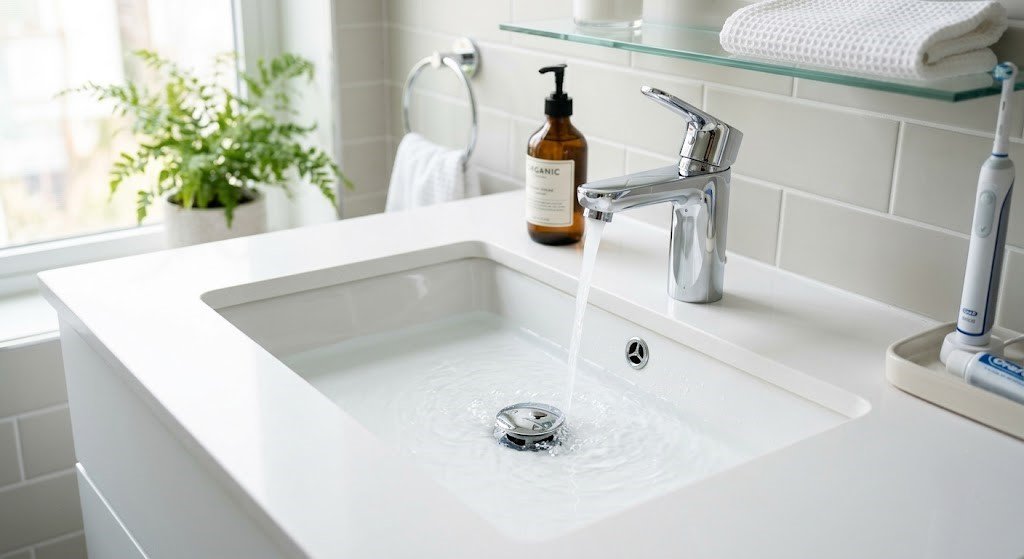
Discovering a cockroach emerging from your bathroom drain is an unsettling experience. Bathrooms offer the ideal environment for pests: high humidity, standing moisture, dark secluded pathways, and direct access to organic matter. Plumbing networks serve as subterranean superhighways for roaches—specifically American and Oriental cockroaches—allowing them to travel between sewer lines and your living space effortlessly.
Understanding how these resilient insects navigate your plumbing system is the first step toward keeping them out. By combining physical barriers, plumbing maintenance, and targeted sanitation, you can permanently block their primary entry points into your home.
Key Takeaways
- P-Traps Are Your First Line of Defense: A dry P-trap allows cockroaches to walk straight up from sewer pipes into your sink or tub. Keep traps filled with water.
- Drain Covers Block Access: Fine mesh drain covers prevent roaches from climbing out while allowing water to flow freely.
- Enzyme Cleaners Remove Food Sources: Hair, soap scum, and organic buildup inside pipes create feeding grounds for roaches. Regular cleaning eliminates their food supply.
- Seal Gaps Around Plumbing: Roaches often travel along the outside of pipes through unsealed wall gaps rather than through the water line itself.
Why Cockroaches Target Bathroom Drains and Pipes
To successfully eliminate cockroaches from your plumbing, you must understand what attracts them to these spaces in the first place.
1. Constant Moisture and Humidity
Cockroaches can survive for weeks without food, but they need water every few days. The condensation inside drains and high humidity levels in bathrooms create an irresistible oasis for invading pests.
2. Abundant Organic Buildup
Over time, bathroom drains collect soap scum, hair, shed skin cells, and toothpaste residues. This organic slime coats the inner walls of your pipes, providing an endless food supply for scavenging roaches.
3. Protection and Dark Shelter
Pipes and drain lines offer dark, undisturbed nesting zones safe from human activity and predators.
How Cockroaches Enter Your Pipes and Bathroom
Many homeowners assume roaches swim through gallons of water to reach the bathroom. While some species can hold their breath underwater for up to 40 minutes, their entry paths are usually far simpler:
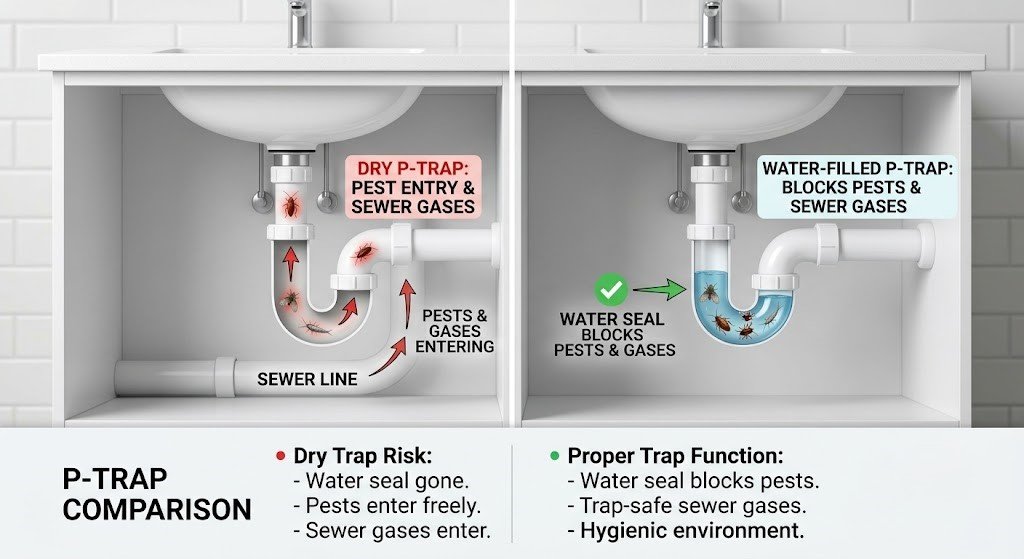
- Dry P-Traps: The curved pipe beneath your sink (the P-trap) is designed to hold standing water, creating a seal that blocks sewer gases and pests. If a guest bathroom or basement drain is rarely used, the water evaporates, giving roaches a open doorway directly into your room.
- Overflow Drains: Sinks and bathtubs feature overflow holes near the rim. These internal cavities connect directly to the main drain line and rarely get flushed with water, making them prime real estate for nesting roaches.
- External Wall Gaps: Cockroaches often don’t travel inside the pipe; they run alongside it. If the entry points where pipes pass through walls are unsealed, pests can easily move between rooms.
Proven Strategies for Stopping Cockroaches in Pipes
Stopping cockroaches in pipes requires a multi-layered approach that addresses both physical entry points and internal pipe conditions.
+-----------------------------------------------------------------+
|                    ROACH PREVENTION ROADMAP                     |
+-----------------------------------------------------------------+
|  1. Flush & Fill     -->  Keep all P-traps continuously filled |
|  2. Cover & Guard    -->  Install silicone/mesh drain stoppers  |
|  3. Clean & Degrease -->  Use enzymatic cleaners weekly          |
|  4. Seal & Insulate  -->  Caulk surrounding pipe entry gaps     |
+-----------------------------------------------------------------+
1. Maintain Your P-Traps
Make sure every drain in your home—including guest bathrooms, basement floor drains, and utility sinks—has water in its trap. Run water down unused drains for 10 to 15 seconds at least once a week to maintain an unbroken water barrier.
2. Install Mesh Strainers and Silicone Drain Covers
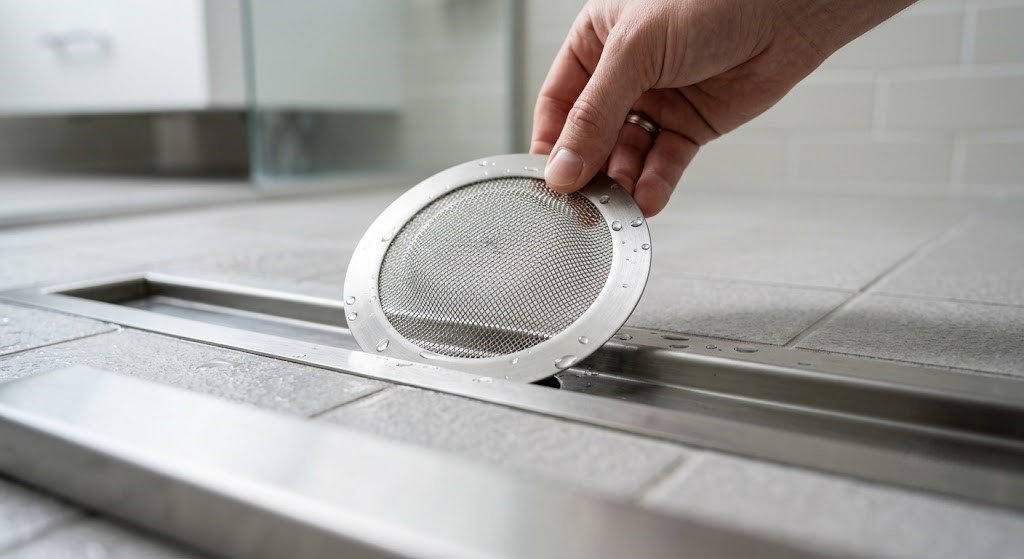
Cover open drains with fine stainless-steel mesh strainers or self-closing silicone drain valves.
- Mesh Strainers: Great for daily sink and shower use to catch hair and debris while physically blocking roaches.
- Silicone One-Way Valves: These fit inside floor and shower drains, opening when water flows down and snapping shut immediately after to prevent pests from climbing up.
3. Clear Out Organic Buildup
Using chemical drain cleaners can corrode your plumbing and rarely solves a roach problem permanently. Instead, use natural or enzymatic solutions:
- Enzymatic Drain Cleaners: These eco-friendly cleaners use beneficial bacteria to digest hair, grease, and soap scum inside pipes, removing the roach food supply without damaging your pipes.
- Baking Soda and Vinegar Flush: Pour half a cup of baking soda down the drain followed by one cup of white vinegar. Let it foam for 15 minutes, then flush with a kettle of boiling water. This removes minor buildup and deodorizes the drain.
Sealing Around Plumbing Fixtures
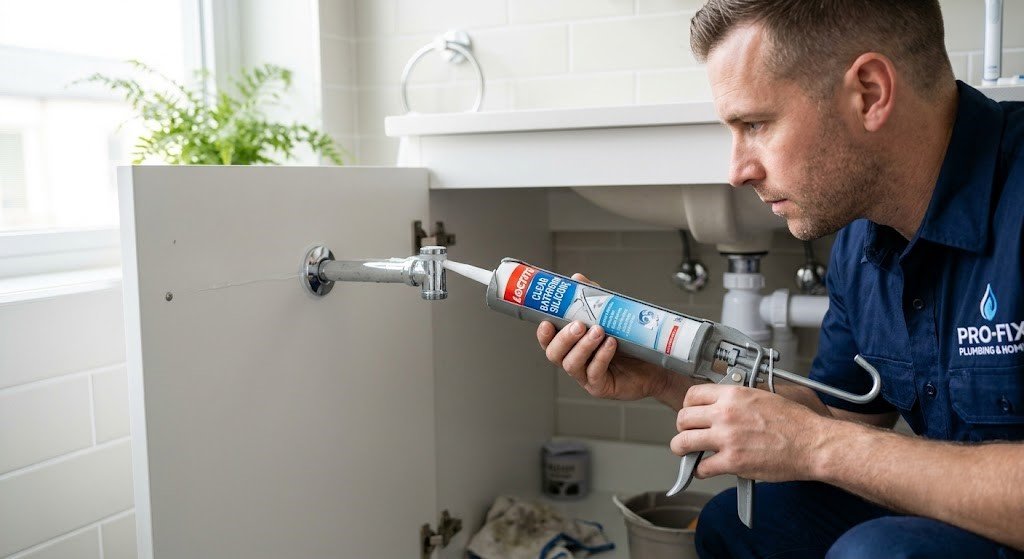
Cockroaches frequently enter bathrooms by crawling through the gaps surrounding water supply lines and drain pipes where they enter walls or floors.
+-----------------------------------------------------------------+
|              SEALING PIPE PENETRATIONS AT A GLANCE              |
+-----------------------------------------------------------------+
| Gap Size             | Recommended Sealing Material             |
+----------------------+------------------------------------------+
| Small (< 1/4 inch)   | 100% Silicone Caulk                      |
| Medium (1/4 - 1 inch)| Expanding Foam + Steel Wool Mesh         |
| Large (> 1 inch)     | Escutcheon Plates + Expanding Foam       |
+-----------------------------------------------------------------+
- Inspect under the sink cabinet and behind the toilet where pipes penetrate drywall or tile.
- Fill small gaps with 100% silicone caulk.
- For larger openings, stuff copper mesh or stainless steel wool into the hole before filling it with low-expansion spray foam. Roaches cannot chew through metal mesh.
Long-Term Prevention Checklist
To ensure stopping cockroaches in pipes remains an effective long-term solution, follow this maintenance routine:
- [ ] Weekly: Run water down seldom-used drains to refresh P-traps.
- [ ] Bi-Weekly: Flush bathroom drains with enzymatic cleaner or baking soda and vinegar.
- [ ] Monthly: Clean hair and soap residue from under drain stoppers and pop-up plugs.
- [ ] Quarterly: Inspect under-sink cabinet pipe entry points for new cracks or deteriorated caulk.
- [ ] Nightly: Close pop-up stoppers or place silicone covers over sink and tub drains before turning off the lights.
Conclusion
Stopping cockroaches in pipes requires a combination of physical barriers, regular plumbing maintenance, and smart sanitation. By keeping your P-traps filled, installing fine mesh covers, removing organic buildup inside drains, and sealing pipe wall penetrations, you eliminate both the pathways and the attractants that bring roaches into your bathroom. Implement these targeted steps today to keep your plumbing network secure and your home completely pest-free.
Frequently Asked Questions (FAQs)
Can cockroaches climb up through toilet pipes?
While rare, it is possible for cockroaches to emerge through toilets if the water level in the bowl drops or if they enter through vent pipes on the roof. Keeping the toilet lid down when not in use and flushing regularly prevents them from climbing out.
Why do I keep seeing roaches in my bathroom sink at night?
Cockroaches are nocturnal creatures that seek out water after dark. If your sink drain lacks a protective cover or has a dry P-trap, roaches climb up from the pipes into the sink basin in search of moisture.
Does boiling water kill cockroaches in drains?
Pouring boiling water down the drain can kill any roaches currently inside the pipe and temporarily wash away grease. However, boiling water alone will not prevent new cockroaches from entering from deeper in the sewer line—you must use mesh covers and maintain filled P-traps.
Will bleach eliminate roaches living in my pipes?
Bleach can kill roaches on contact, but pouring large amounts down the drain is harmful to septic systems, municipal water infrastructure, and home plumbing. Enzymatic drain cleaners are a safer, more sustainable alternative for removing the organic slime roaches feed on.