

Introduction
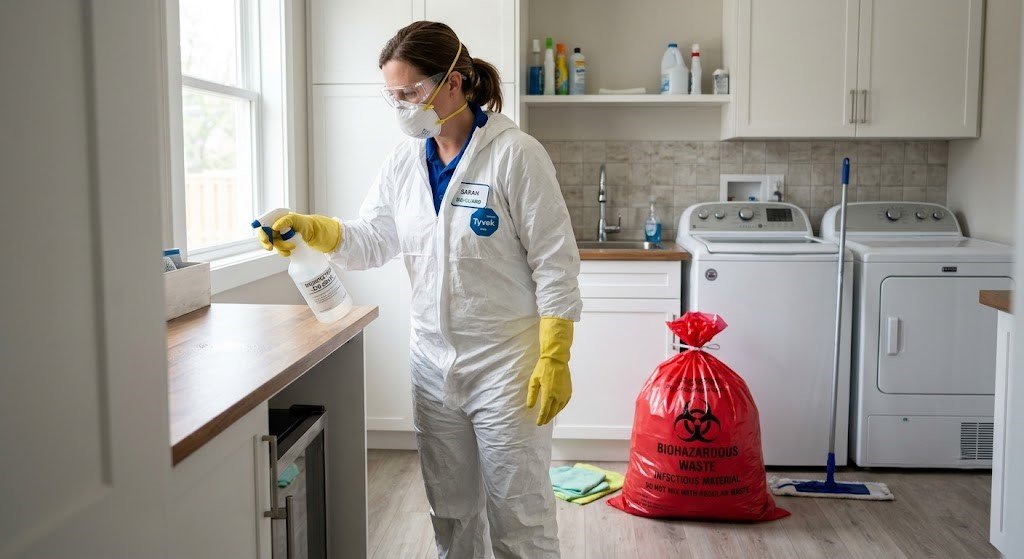
Discovering animal droppings in your attic, basement, crawl space, or kitchen can be unsettling. Beyond the unpleasant mess, droppings left by mice, rats, pest birds, or bats can carry serious airborne pathogens and bacteria, including Hantavirus, Histoplasmosis, Leptospirosis, and Salmonella.
Improper cleanup—such as dry sweeping or vacuuming without proper filtration—can kick up invisible bio-contaminants into the air, making you and your family susceptible to severe respiratory illnesses. Knowing how to safely sanitize droppings using proper containment, Personal Protective Equipment (PPE), and bleach or EPA-registered disinfectants is essential for protecting your health.
Key Takeaways
- Never Dry Sweep or Vacuum: Sweeping or vacuuming dry droppings launches infectious particles into the air. Always soak droppings with a wet disinfectant solution first.
- Wear Proper PPE: At minimum, wear fit-tested N95 or N100 respirator masks, thick nitrile or rubber gloves, and protective eyewear.
- Maintain Adequate Contact Time: Let disinfectants sit on contaminated surfaces for at least 10 to 15 minutes before wiping them up.
- Double-Bag Waste: Place all contaminated materials, paper towels, and disposable gloves into a heavy-duty trash bag, seal it tightly, and double-bag it before disposal.
- Ventilate the Area: Open doors and windows for at least 30 minutes before beginning the decontamination process.
The Health Risks Associated with Animal Droppings
Animal waste is more than just a surface stain; it is a vector for biological hazards. Understanding the specific threats helps highlight why taking strict safety measures during remediation is critical.
Common Pathogens Found in Pest Waste
- Hantavirus Pulmonary Syndrome (HPS): Primarily carried by deer mice and white-footed mice, Hantavirus spreads when humans inhale dust contaminated with mouse urine or droppings.
- Histoplasmosis: A fungus found in bird and bat droppings (guano). When dry guano is disturbed, fungal spores become airborne and cause severe lung infections.
- Leptospirosis & Salmonella: Bacterial strains transmitted through urine and feces that contaminate food surfaces, countertops, and floors.
For more details on infectious disease transmission from urban pests, check out the [External Link: Insert CDC guide on rodent cleanup and prevention with anchor text “CDC guidelines on rodent waste safety”].
Step-by-Step Guide: How to Safely Sanitize Droppings
To ensure your living environment is thoroughly decontaminated, follow this structured cleanup protocol.
Preparation -> Wet Disinfection -> Removal -> Final Sanitization -> Safe Disposal
Step 1: Ventilate and Equipment Setup
Before entering an enclosed space where waste has accumulated, open external windows and doors for at least 30 minutes to circulate fresh air. Turn off heating and air conditioning (HVAC) systems to avoid pulling contaminated air into your home’s ductwork.
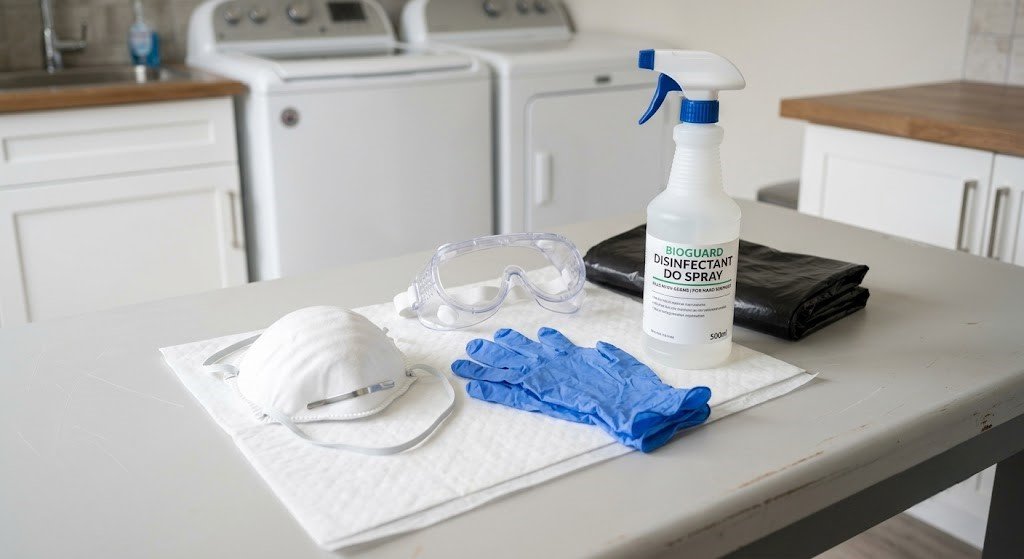
Assemble your protective gear:
- Respirator Mask: An N95 mask (minimum) or a half-face respirator with P100 filters.
- Gloves: Heavy-duty rubber, vinyl, or nitrile gloves.
- Eye Protection: Sealed safety goggles without open vents.
- Clothing: Long sleeves or disposable protective coveralls.
Step 2: Saturate the Area (The “Wet Method”)
Critical Safety Rule: Never use a broom, vacuum, or leaf blower on dry feces. Sweeping creates bio-aerosols that remain suspended in the air for hours.
To learn more about residential moisture control and indoor air quality, visit our guide on [Internal Link: Insert internal article on home moisture control with anchor text “how to control indoor humidity and air quality”].
- Mix a Disinfectant Solution: Combine 1.5 cups of household chlorine bleach with 1 gallon of warm water (a 1:10 ratio), or use an EPA-registered commercial disinfectant rated for virus and bacterial removal.
- Soak the Droppings: Spray the solution directly onto the waste until thoroughly saturated.
- Wait for Contact Time: Let the disinfectant sit undisturbed for 10 to 15 minutes to kill dormant viruses and bacteria.
Step 3: Removal and Disposal
Once the contact time has elapsed:
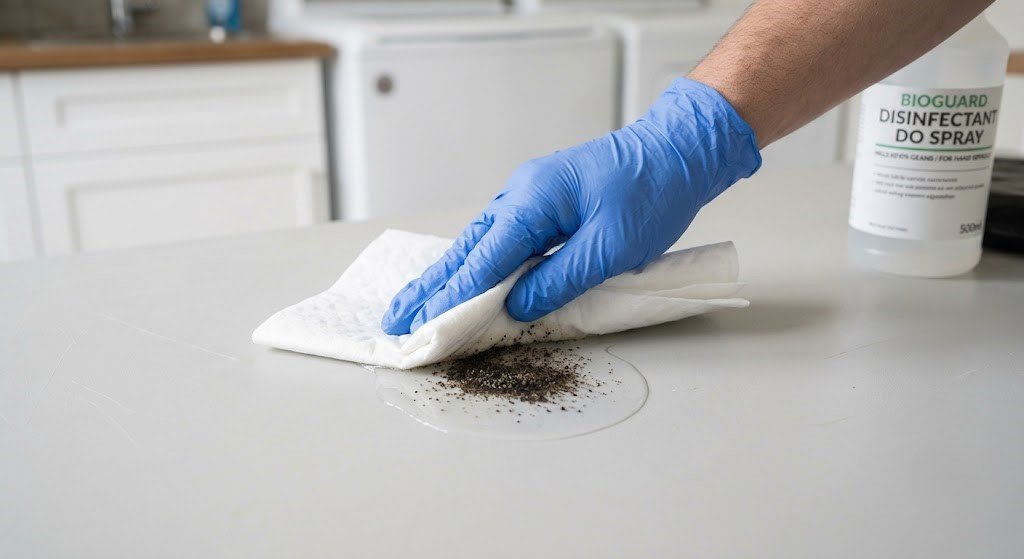
- Use disposable paper towels or shop rags to pick up the wet droppings and debris.
- Place the saturated paper towels directly into a heavy-duty trash bag.
- Wipe the surrounding areas with additional disinfectant solution.
Step 4: Deep Sanitization and Surface Washing
After removing visible droppings, the underlying surface requires a second deep cleaning pass:
- Scrub the entire area (including nearby walls, baseboards, or floorboards) with fresh disinfectant or bleach solution.
- For carpeted or upholstered areas, use a commercial steam cleaner equipped with high-temperature sanitization settings.
- Wash washable fabrics (such as bedding or clothing) in hot water with laundry disinfectant.
Step 5: De-gloving and Personal Hygiene
Improperly removing your PPE can recontaminate your hands and clothes:
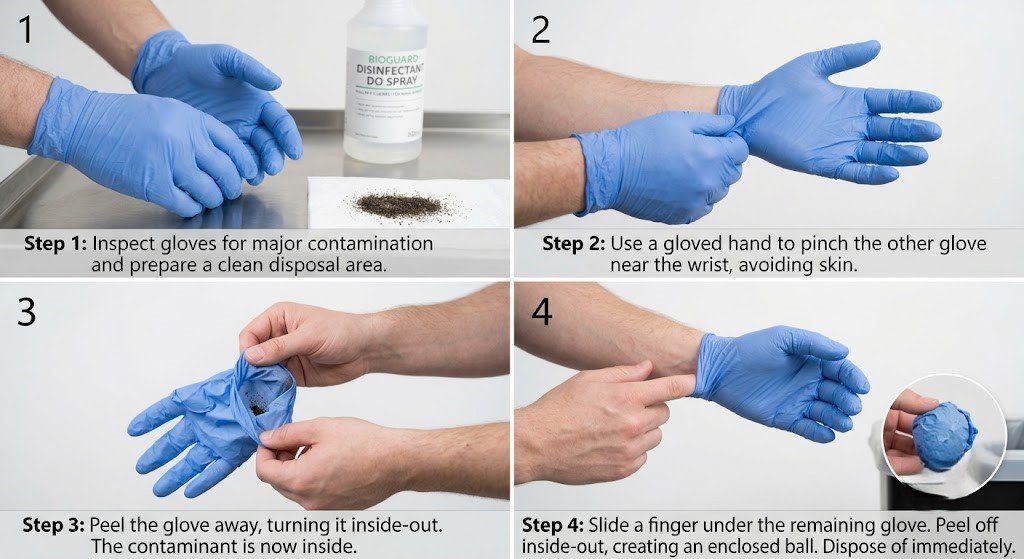
- Spray your gloved hands with disinfectant before removing them.
- Peel the gloves inside out as you remove them, dropping them directly into the trash bag.
- Seal the inner trash bag, then place it inside a second heavy-duty trash bag (double-bagging).
- Wash your hands thoroughly with soap and warm running water for at least 20 seconds. Scrub your face and any exposed skin.
Preventative Measures: Keeping Pests Out
Sanitizing the mess is only half the battle. To avoid recurring contamination, seal up your home to prevent pests from returning:
- Seal Entry Points: Fill holes larger than 1/4 inch with steel wool and caulk or expanding foam.
- Secure Food Sources: Store dry food, pet food, and birdseed in airtight glass or metal containers.
- Manage Waste: Keep outdoor garbage cans tightly capped and move compost piles away from the main structure.
Conclusion
Understanding how to safely sanitize droppings is a crucial skill for home maintenance, property management, and health protection. By avoiding dry sweeping, wearing proper protective gear, saturating waste with an effective disinfectant, and double-bagging all debris, you eliminate dangerous biohazards without putting your household at risk. Always prioritize safety first—and when in doubt or facing extensive contamination, do not hesitate to contact professional biohazard remediation experts.
Frequently Asked Questions (FAQs)
Can I vacuum mouse droppings if I use a HEPA filter vacuum?
It is strongly recommended to avoid vacuuming mouse droppings altogether, even with a standard HEPA vacuum. Unless you are using a specialized industrial biohazard vacuum, exhaust air can still leak through housing gaps, blowing microscopic pathogens into your living space.
How long does Hantavirus survive in mouse droppings?
Hantavirus can remain infectious in urine and droppings for 2 to 3 days under normal ambient indoor conditions. However, direct exposure to sunlight and ultraviolet radiation degrades the virus much faster.
What is the best disinfectant ratio for killing rodent pathogens?
A fresh solution of 1 part household bleach to 9 or 10 parts water is highly effective for sanitizing hard, non-porous surfaces. Ensure you prepare the mix fresh, as diluted bleach loses its potency after 24 hours.
When should I hire a professional biohazard cleanup team?
You should call a certified professional if the contamination covers a widespread area (such as an entire attic or crawlspace), if waste has seeped into insulation, or if bat guano accumulations are deep. Specialized equipment like air scrubbers and full-containment suits are required for large-scale jobs.