

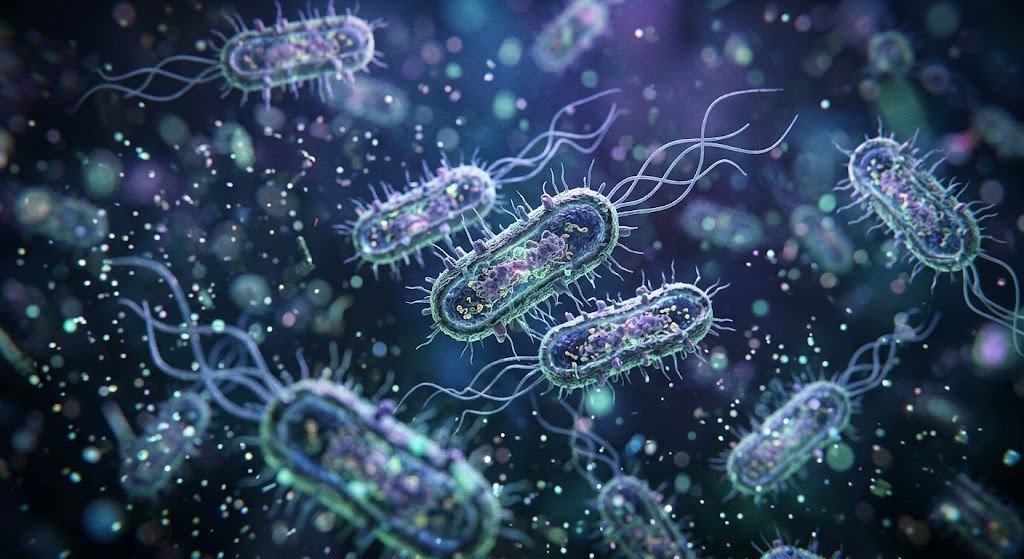
Bacteria are among the most versatile organisms on Earth. While the vast majority of bacterial species are harmless or beneficial to human life, pathogenic strains present significant public health threats. Understanding bacterial transmission and health hazards is critical to preventing infection, protecting vulnerable populations, and maintaining clean living and healthcare environments.
From contaminated food and water to airborne droplets and surface contact, bacteria utilize diverse pathways to enter a host, multiply, and cause illness. This comprehensive guide covers the primary mechanisms of bacterial transmission, major health risks, high-risk environments, and actionable prevention strategies.
Key Takeaways
- Multiple Transmission Routes: Bacteria spread via direct contact, indirect contact through contaminated surfaces (fomites), airborne droplets, water/food vehicle transmission, and biological vectors.
- Severe Health Impacts: Pathogenic bacterial infections can range from mild gastroenteritis to life-threatening conditions like sepsis, pneumonia, and bacterial meningitis.
- High-Risk Settings: Healthcare facilities, food preparation spaces, and crowded public environments are primary hotspots for rapid bacterial proliferation.
- Prevention Is Essential: Consistent hand hygiene, proper sanitization, safe food handling, and prudent antibiotic use remain the most effective defenses against bacterial health hazards.
Understanding Bacterial Transmission and Health Hazards
To effectively mitigate the risks associated with bacterial infections, it is essential to understand the “chain of infection”. For bacterial transmission and health hazards to manifest, an infectious bacterial agent must travel from a reservoir through a pathway and enter a susceptible host.
  [ Reservoir / Source ] ──► [ Mode of Transmission ] ──► [ Portal of Entry ] ──► [ Susceptible Host ]
  (e.g., Water, Person,        (Direct, Airborne,          (Mouth, Wounds,          (Immunocompromised,
      Surface, Food)              Fomite, Vector)             Respiratory)            General Public)
Bacteria do not possess independent mobility over long distances; instead, they rely on environmental vectors, fluid dynamics, and human movement to spread.
Primary Modes of Bacterial Transmission
Bacterial pathogens have evolved specialized survival mechanisms allowing them to migrate across different environments.
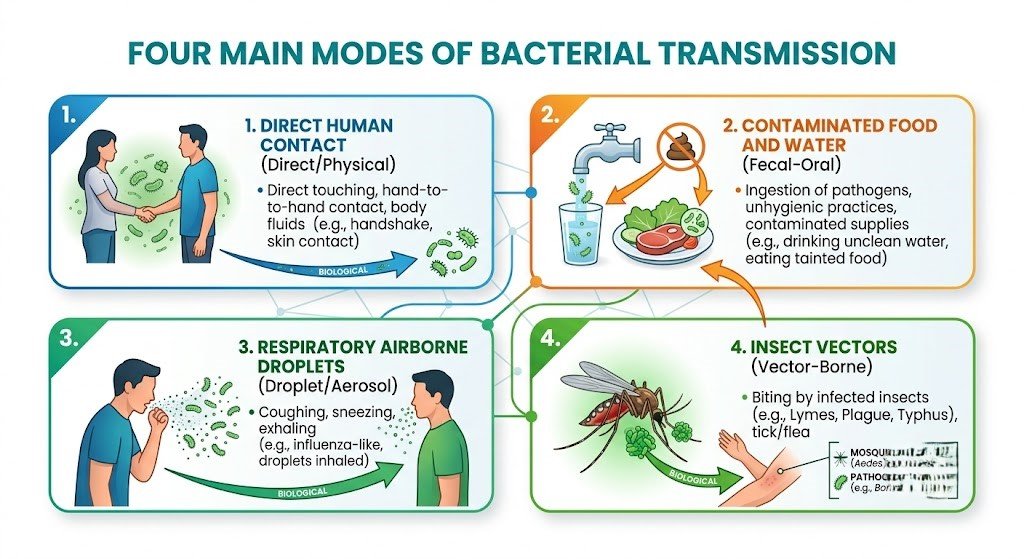
1. Direct and Indirect Contact Transmission
- Direct Contact: Occurs when physical touch transfers bacteria between an infected individual and a susceptible person (e.g., handshakes, skin-to-skin contact, or sexual contact). Common culprits include Staphylococcus aureus and Streptococcus pyogenes.
- Indirect Contact (Fomites): Involves touching contaminated non-living objects—known as fomites—such as door handles, countertops, or shared medical devices. Bacteria like Clostridioides difficile (C. diff) can form hardy endospores that survive on dry surfaces for extended periods.
2. Foodborne and Waterborne (Vehicle) Transmission
Vehicle transmission occurs when bacteria infect ingested substances:
- Waterborne Hazards: Ingestion of municipal or untreated water supplies contaminated with Vibrio cholerae or Legionella pneumophila.
- Foodborne Hazards: Ingestion of raw or undercooked meat, unpasteurized dairy, or unwashed produce carrying Salmonella, Escherichia coli (E. coli), or Listeria monocytogenes.
3. Airborne and Droplet Transmission
Respiratory bacterial infections typically spread when an infected person coughs, sneezes, or speaks:
- Respiratory Droplets: Heavy liquid droplets fall quickly to the ground but can infect individuals in close proximity (e.g., Bordetella pertussis or Neisseria meningitidis).
- Airborne Nuclei: Microscopic particles carrying bacteria like Mycobacterium tuberculosis remain suspended in air currents for long periods, travelling across rooms and ventilation shafts.
4. Vector-Borne Transmission
Living organisms, such as ticks, fleas, and mosquitoes, transmit bacteria between hosts. Notable examples include Borrelia burgdorferi (Lyme disease, transmitted by blacklegged ticks) and Yersinia pestis (plague, transmitted by rodent fleas).
Major Health Hazards Associated with Bacterial Infections
When pathogenic bacteria breach the body’s primary barriers (skin, mucous membranes, or digestive acid), they can cause localized damage or systemic toxicity.
| Health Hazard / Condition | Primary Bacterial Pathogens | Target Systems | Common Symptoms |
| Gastrointestinal Infections | Salmonella spp., E. coli, Campylobacter | Digestive System | Severe diarrhea, abdominal cramps, nausea, fever |
| Respiratory Diseases | Streptococcus pneumoniae, M. tuberculosis | Lungs / Respiratory Tract | Persistent cough, chest pain, difficulty breathing, hemoptysis |
| Sepsis & Bacteremia | Staphylococcus aureus, Klebsiella pneumoniae | Cardiovascular & Systemic | Rapid heart rate, confusion, fever, organ failure |
| Central Nervous System Risks | Neisseria meningitidis, Listeria | Brain & Spinal Cord | Stiff neck, high fever, altered mental state, severe headache |
For detailed clinical protocols on managing severe bacterial exposure, consult [External Link: Insert high-authority external URL here with anchor text such as CDC Infection Control Guidelines].
High-Risk Environments and Vulnerable Populations
While bacterial transmission and health hazards exist everywhere in daily life, certain environments accelerate exposure rates:
- Healthcare Facilities (Nosocomial Infections): Hospitals and surgical centers house individuals with weakened immune systems and invasive equipment (catheters, ventilators), creating ideal conditions for Healthcare-Associated Infections (HAIs).
- Food Processing Facilities: Cross-contamination during harvesting, slaughtering, or packaging can distribute bacterial pathogens to thousands of consumers simultaneously.
- Crowded Indoor Spaces: Schools, public transport, and residential facilities amplify airborne and direct contact transmission.
Vulnerable Host Factors
A host’s susceptibility depends on several physiological conditions:
- Immunocompromised status (e.g., chemotherapy, organ transplant, or autoimmune conditions).
- Extreme age (infants and elderly adults).
- Recent disruption of normal gut microbiota due to heavy broad-spectrum antibiotic usage.
The Rising Threat of Antibiotic Resistance
One of the most critical challenges surrounding bacterial transmission and health hazards is antimicrobial resistance (AMR). Overuse and misuse of antibiotic treatments in human medicine and agriculture have driven the evolution of “superbugs”—bacteria resistant to multiple first-line and second-line drugs.
- Methicillin-Resistant Staphylococcus aureus (MRSA)
- Carbapenem-Resistant Enterobacteriaceae (CRE)
- Multidrug-Resistant Tuberculosis (MDR-TB)
When antibiotic-resistant strains are transmitted, standard treatments fail, leading to longer hospital stays, increased medical costs, and higher mortality rates. For further insights into institutional infection prevention strategies, explore our guide on [Internal Link: Insert relevant internal URL here with anchor text such as Workplace Bio-hazard Prevention Protocols].
Essential Prevention Strategies
Controlling bacterial hazards requires an integrated approach targeting multiple links in the chain of infection.
┌────────────────────────────────────────────────────────┐
│             CORE BACTERIAL PREVENTION STEPS            │
├────────────────────────┬───────────────────────────────┤
│ Hygiene Practices      │ Thorough handwashing with soap│
│                        │ for at least 20 seconds.      │
├────────────────────────┼───────────────────────────────┤
│ Safe Food Handling     │ Separate raw/cooked items,    │
│                        │ cook to safe temperatures.    │
├────────────────────────┼───────────────────────────────┤
│ Environmental Sanitation│ Clean high-touch surfaces with│
│                        │ EPA-registered disinfectants. │
├────────────────────────┼───────────────────────────────┤
│ Responsible Medicine   │ Use antibiotics strictly as   │
│                        │ prescribed by physicians.     │
└────────────────────────┴───────────────────────────────┘
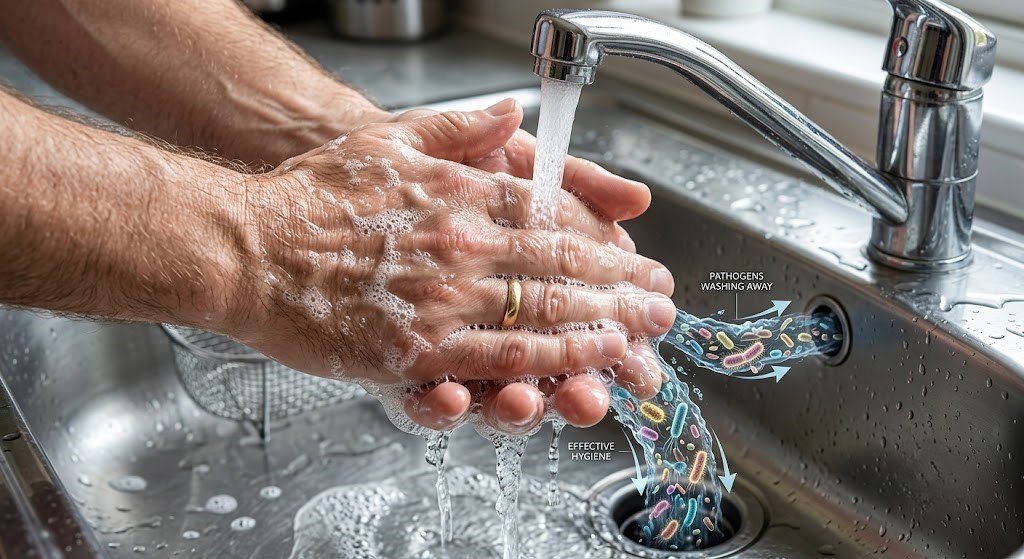
- Rigorous Hand Hygiene: Regular washing with warm water and soap removes mechanical debris and disrupts bacterial membranes.
- Proper Food Preparation: Adhere to the four core rules: Clean, Separate, Cook (to internal temperatures of 165°F/74°C for poultry), and Chill.
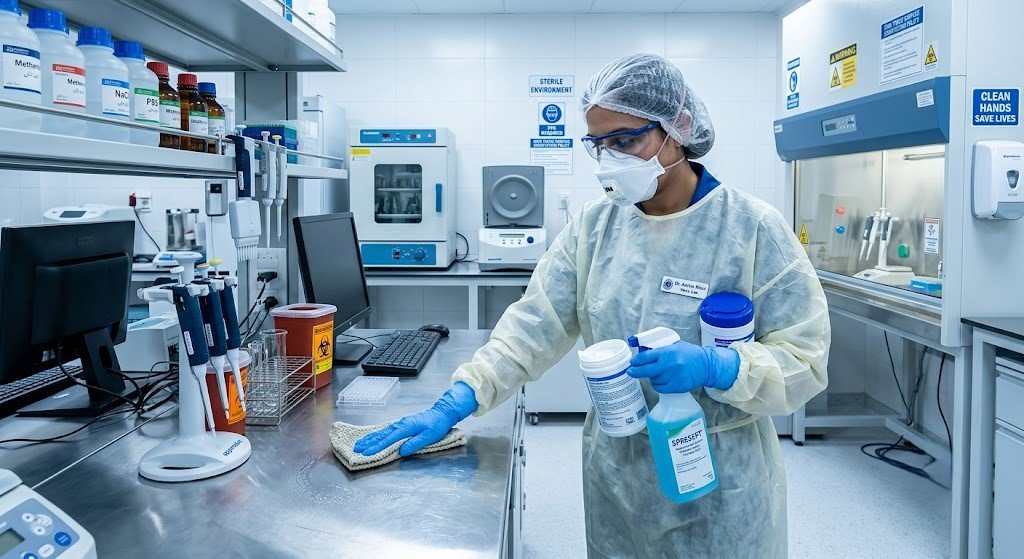
- Environmental Surface Disinfection: Use disinfectants rated for specific bacterial endospores on high-touch surfaces like light switches, phones, and handles.
- Water Sanitation: Ensure water filtration and routine testing for municipal and private wells.
Conclusion
Understanding bacterial transmission and health hazards empowers individuals, businesses, and medical professionals to take proactive steps against infectious diseases. Pathogenic bacteria spread through contact, contaminated food and water, bio-aerosols, and vectors. By implementing rigorous sanitation standards, practicing meticulous hand hygiene, and using antibiotics responsibly, we can disrupt the chain of infection and mitigate microbial health risks across our communities.
Frequently Asked Questions (FAQs)
What are the most common bacterial health hazards in daily life?
The most widespread bacterial hazards stem from foodborne pathogens like Salmonella and E. coli, surface pathogens like MRSA, and waterborne bacteria like Legionella. These can cause conditions ranging from food poisoning to acute skin infections and severe pneumonia.
How do bacteria differ from viruses in terms of transmission and treatment?
While both bacteria and viruses cause infectious diseases, bacteria are living single-celled prokaryotes capable of surviving independently on surfaces or in water. Bacterial infections are primarily treated with antibiotics, whereas viral infections require antivirals or supportive care. Antibiotics have no efficacy against viral pathogens.
What is the most effective way to prevent airborne bacterial transmission?
Preventing airborne bacterial spread requires adequate room ventilation, high-efficiency particulate air (HEPA) filtration, masking in high-risk environments, and practicing proper respiratory etiquette (covering coughs and sneezes).
How long can pathogenic bacteria survive on household surfaces?
Survival times vary significantly by bacterial strain and environment. Gram-positive bacteria like Staphylococcus aureus and spore-forming bacteria like C. diff can survive on dry surfaces for weeks or even months without proper disinfection.