

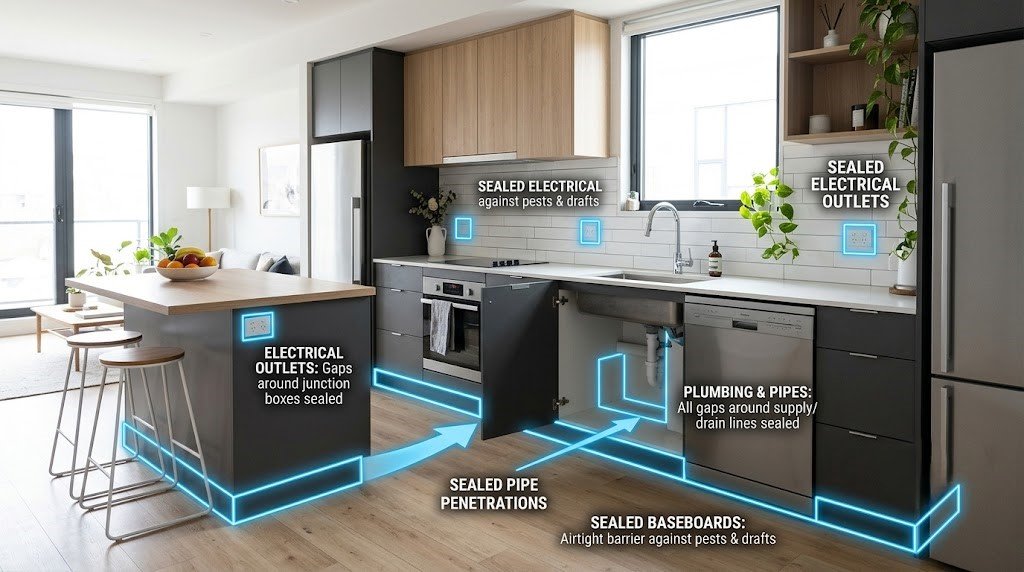
Living in a multi-family building comes with many perks, but shared walls, floors, and ceilings also mean sharing potential home issues. When it comes to apartment units, preventing neighbor infestations from migrating into your personal living space is one of the most critical challenges renters face. Pests like German cockroaches, bed bugs, and rodents do not recognize lease agreements or unit boundaries; they travel through utility lines, wall voids, shared floor joists, and under door frames.
Even if your apartment is kept immaculate, an unmanaged pest issue next door, above, or below you can quickly breach your perimeter. The key to long-term protection lies in proactive exclusion, strategic sanitation, and Integrated Pest Management (IPM) practices supported by organizations like the U.S. Environmental Protection Agency (EPA).
Key Takeaways
- Pests Travel via Utility Routes: Cockroaches, rodents, and bed bugs pass through pipe gaps, electrical outlets, shared vents, and hallway door sweeps.
- Exclusion is Your First Line of Defense: Sealing cracks and wall voids with 100% silicone caulk and copper mesh physically blocks entry paths.
- Sanitation Denies Survival: Removing moisture leaks, standing water, and food crumbs ensures stray pests cannot establish a breeding colony in your unit.
- Avoid Repellent Sprays: Chemical foggers and aerosol sprays often scatter pests deeper into neighboring wall voids rather than solving the root problem.
- Prompt Landlord Documentation: Multi-unit pest control requires building-wide coordination and written communication with property management.
Why Neighbor Infestations Spread Between Apartment Units
Understanding how pests navigate multi-family housing is crucial when targeting apartment units: preventing neighbor infestations effectively. Apartment buildings function as single large ecosystems connected by hidden structural pathways:
- Wall Voids & Utility Purses: Plumbing pipes, gas lines, and electrical wiring run through shared hollow walls. Unsealed gaps surrounding these utilities act as express highways for pests.
- Shared HVAC & Air Vents: Cockroaches and duct-dwelling pests utilize shared ventilation ducts and return air grates to move between adjoining units.
- Common Hallways & Doors: Spaces under front doors allow pests free access to stroll down carpeted hallways into neighboring apartments.
- Overcrowding Pressures: As a pest population expands in a neglected adjoining unit, competition for food and space forces them to migrate outward in search of new territory.
Physical Exclusion: Sealing Your Unit’s Perimeter
Physical exclusion is the single most powerful step you can take toward apartment units: preventing neighbor infestations. By sealing potential entry points, you transform your apartment into an impenetrable fortress.
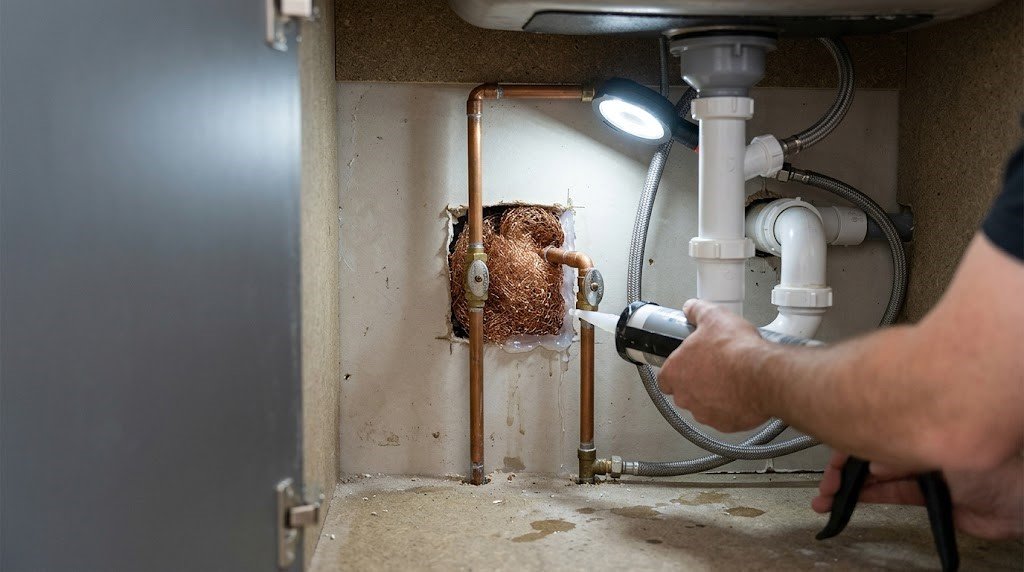
1. Seal Plumbing and Utility Openings
The kitchen and bathroom are ground zero for pest entry due to abundance of water and pipe penetrations.
- Inspect beneath all sinks, behind toilets, and behind washing machines.
- Fill large gaps around pipes using copper mesh or steel wool before sealing over them with 100% silicone caulk. Rodents and insects cannot chew through metallic mesh.
- Ensure escutcheon plates (the metal covers around pipes where they meet the wall) fit flush against the drywall.
2. Block Doorways and Baseboards
- Install heavy-duty door sweeps on all exterior and hallway-facing entry doors to eliminate gaps greater than 1/16th of an inch.
- Apply silicone caulk along loose baseboards, floor joints, and corner crevices where bugs can crawl out from wall cavities.
3. Secure Electrical Outlets and Switches
Pests frequently travel through electrical conduit boxes inside walls.
- Unscrew switch plates and outlet covers on shared walls.
- Insert foam insulation gaskets behind the faceplates before screwing them back into place to block air movement and pest travel.
For a full walkthrough on pest-proofing supplies and landlord-approved sealant products, check out our [Internal Link: Insert relevant internal URL here with anchor text – guide to apartment pest-proofing tools].
Removing Survival Factors: Food and Moisture Control
Even if a stray insect wanders into your unit from next door, it will fail to establish an active infestation if it cannot find water or nutrition.
| Target Area | Action Item | Prevention Purpose |
| Kitchen Sinks | Dry thoroughly before bed; repair dripping faucets immediately. | Eliminates primary moisture sources that attract nocturnal pests. |
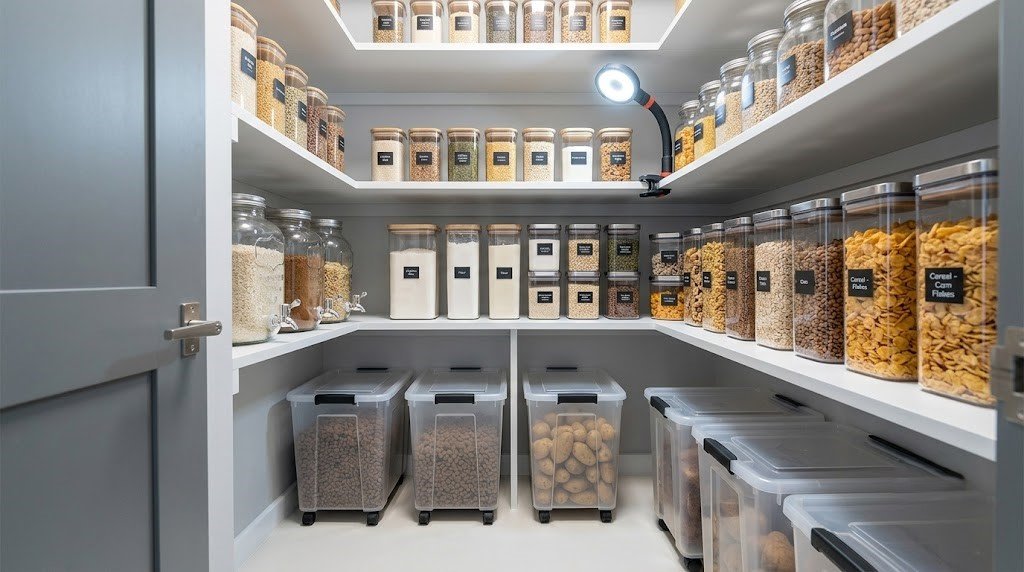
| Pantry & Cabinets | Transfer dried food into airtight glass or hard plastic containers. | Prevents pests from chewing through paper, cardboard, or plastic bags. |
| Trash Management | Use lid-locking trash cans and dispose of food waste daily. | Removes odor attractants that lure pests from adjoining apartments. |
| Pet Feeding Areas | Store pet food in sealed bins; pick up food and water bowls overnight. | Denies easy high-protein food sources during peak pest activity hours. |
According to the [External Link: Insert high-authority external URL here with anchor text – EPA Integrated Pest Management (IPM) guidelines for multi-family housing], controlling moisture is often more effective at stopping German cockroach propagation than chemical treatments alone.
Safe Defense: Monitor and Deter Without Repelling
When dealing with apartment units, preventing neighbor infestations requires a careful defensive strategy. Avoid using broad-spectrum aerosol bug sprays or total-release foggers (“bug bombs”). Foggers leave chemical residues on exposed surfaces and push pests deeper into walls, spreading them into nearby rooms and neighboring units.
Smart Defensive Tools
- Glue Board Monitors: Place non-toxic sticky traps under sinks, behind appliances, and alongside shared wall baseboards. Check them weekly to catch early invaders before a colony takes root.
- Gel Baits: If you spot isolated roaches entering from next door, place small dots of gel bait near entry points inside cabinets. Pests ingest the bait, return to their nest, and eliminate other members of the population.
- Diatomaceous Earth (Food Grade) or Boric Acid: Apply an ultra-thin dusting of food-grade diatomaceous earth into dry wall crevices, behind switch plates, or under baseboards. It breaks down insect exoskeletons physically without creating chemical resistance.
Navigating Landlord Communication and Legal Rights
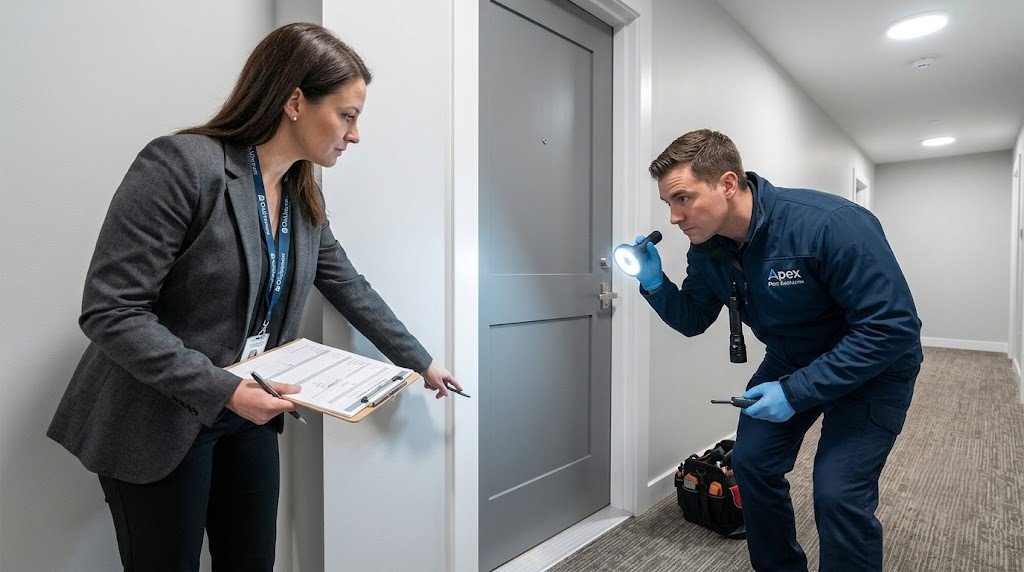
Because apartment buildings are shared structures, individual efforts must be supported by property management. When neighbor infestations threaten your unit:
- Notify Management in Writing: Send an email or formal letter documenting any pest sightings, specifying where they are coming from.
- Reference the Warranty of Habitability: Most jurisdictions require landlords to maintain pest-free, safe living environments across the entire building.
- Request Whole-Building or Block Treatment: Treating single units rarely resolves systemic building infestations. Professional pest controllers must inspect and treat adjacent units above, below, and beside the problem area simultaneously.
Conclusion
Mastering apartment units: preventing neighbor infestations comes down to taking proactive control over your physical space. By sealing cracks and pipe penetrations, maintaining strict food and moisture control, deploying non-repellent monitors, and working closely with your landlord, you can keep your home safe, clean, and pest-free—regardless of what is happening next door.
Frequently Asked Questions (FAQs)
Can cockroaches travel through walls between apartment units?
Yes, cockroaches travel easily through hollow wall voids, shared plumbing channels, electrical wiring conduit, and heating ducts between adjoining apartment units. Sealing pipe penetrations with silicone caulk and copper mesh stops them in their tracks.
Is my landlord responsible for pest control coming from a neighbor’s unit?
In most regions, landlords are legally required under residential lease agreements and habitability laws to maintain a pest-free environment. If a neighbor’s unit is breeding pests, property management must arrange professional building-wide or block treatment.
Do bug bombs work for preventing neighbor infestations in apartments?
No, bug bombs (total-release foggers) are generally ineffective for apartment neighbor infestations. They fail to penetrate deep wall voids where pests hide and can repel insects, causing them to spread further into surrounding units. Gel baits and physical exclusion are far safer and more effective alternatives.